
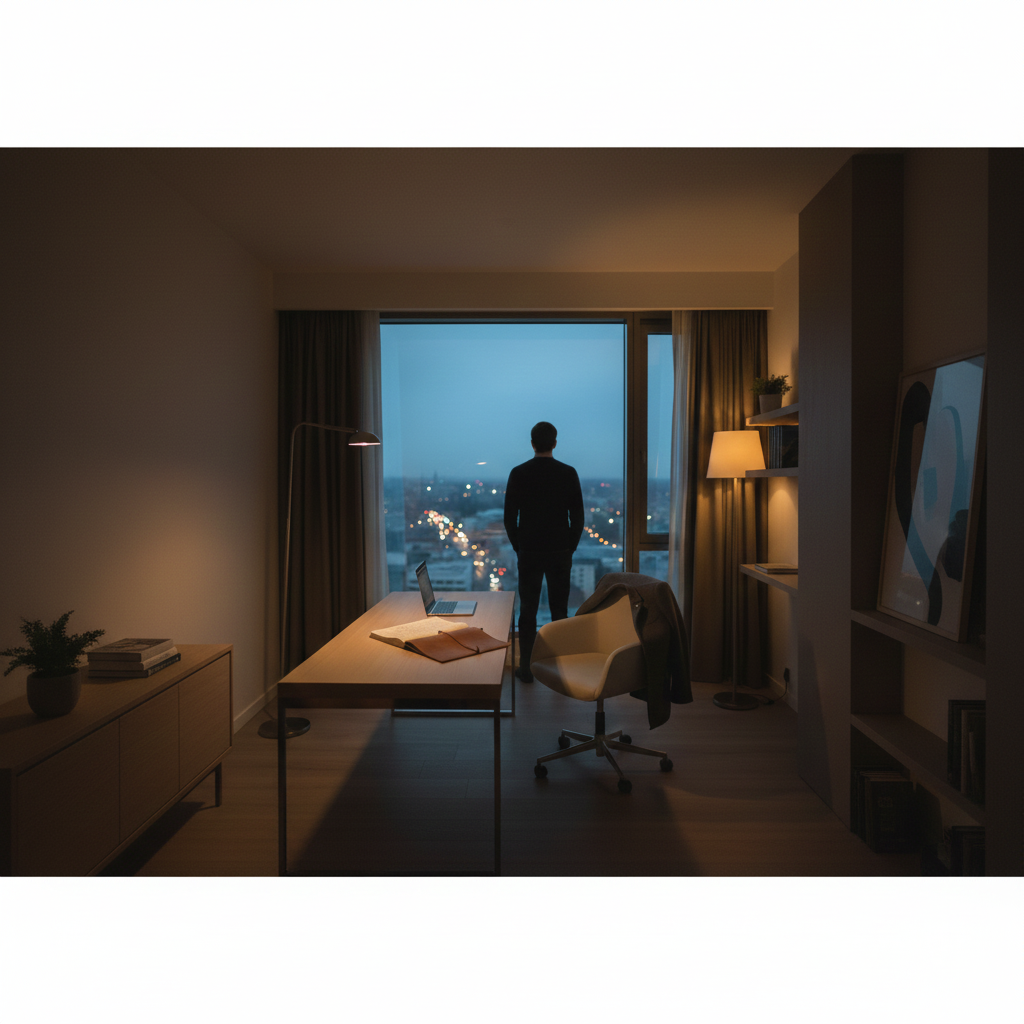
(And Why We Don’t Have To)
By: Habiba Mourad
The Pressure to Do More
There’s something about the end of the year that shifts the energy around us. The busy calendars, the wrapping up, everything gets louder and faster. The urge to finish everything perfectly, to meet every target, to respond to the sudden list of things we somehow remember only in December.
But in the midst of that rush, there’s also a quiet moment. A moment where we look back at our year: what worked, what didn’t, and what pace actually felt right for us. We all get swept into it, believing we need to achieve more at this point. But honestly, it’s not all about the work itself. The weight we experience stems from our self-comparisons rather than our work responsibilities.
The truth is more gentle than we put it to ourselves. People progress at different speeds throughout their lives. We should feel free to stop without feeling guilty because we don’t need to match our speed to anyone else. The ability to slow down and readjust your speed leads to genuine productivity.
Most of us learned to link our productivity with the amount of work we get done. Being busy is almost the default. We need to pause and ask: Does this pace work for me?
Burnout does not appear out of nowhere. It’s quietly built. It shows up when small decisions start to feel heavier, when the day feels longer, and when autopilot begins to take over. The moment you become aware of this pattern you can select alternative actions. That awareness already represents progress.
Real productivity becomes clearer when you realise it’s not about doing everything at once, but about doing things right. Real progress is the kind that produces results without draining you. It’s the small shifts that help the most. Keeping a list you can actually follow, taking a ten minute reset, protecting one steady moment in your day, noticing the small wins, and giving yourself quiet pauses.
Workplaces play a bigger role in our well-being than we often realize. When the environment feels calm and supportive, people think differently. And I’ve seen the opposite. The atmosphere always shows up in the energy, the mood, and the work.
The good news is that more workplaces today understand something simple. People do their best work when they feel safe, supported, and seen. Productivity grows in environments that prioritise clarity, not constant rush.
Ask yourself, what one thing today will make next week easier. Progress doesn’t have to be loud. It appears when we allow ourselves to move at a pace that fits where we are. What matters most is choosing a way of working and living that we can sustain something that leaves us clearer, steadier, and far less exhausted.